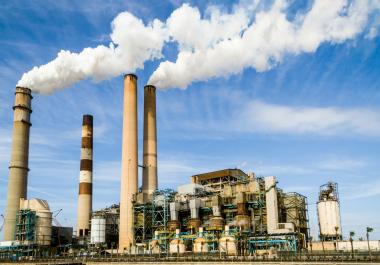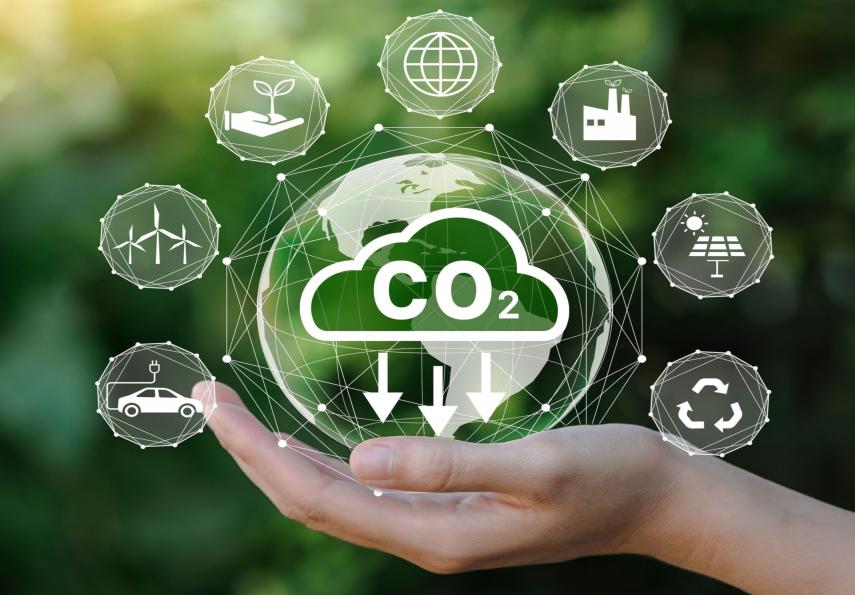

In today’s evolving landscape, most businesses are striving to reduce their carbon footprint. However, certain emissions—particularly those from fossil fuels—are unavoidable in some industries. These emissions stem from critical operations such as transportation, manufacturing, energy production, and even some agricultural activities. While many companies have taken steps to reduce emissions by improving efficiency and switching to cleaner energy sources, a residual amount of carbon output remains inevitable.
What Causes Unavoidable Emissions?
Unavoidable emissions often arise from the use of fossil fuels, which power a range of activities essential to modern business. For instance:
- Transportation and logistics: Whether it’s shipping goods globally or facilitating employee travel, transportation is often powered by fossil fuels.
- Industrial processes: Heavy industries like cement, steel, and chemical production emit greenhouse gases as part of their processes, which are not easily mitigated by technology.
- Energy generation: While renewable energy is expanding, many businesses still rely on conventional energy grids, which use fossil fuels to meet their electricity needs.
How Can Carbon Offsetting Help?
This is where carbon offsetting comes into play. Businesses can invest in carbon credits from certified carbon projects that reduce or capture greenhouse gas emissions elsewhere, effectively balancing out the emissions they cannot eliminate. Examples include:
- Reforestation and afforestation projects that absorb CO2 from the atmosphere.
- Renewable energy projects such as wind or solar farms, which prevent emissions by replacing fossil fuel-based energy.
- Carbon capture and storage (CCS) technologies that capture emissions from industrial activities and store them underground.
Why Should Businesses Invest in Carbon Offsetting?
- Mitigating Climate Change: Offsetting unavoidable emissions ensures businesses play a part in reducing the overall carbon footprint, contributing to global efforts to combat climate change.
- Sustainability Credentials: Many global markets, especially in Europe and the U.S., recognize and reward businesses that take sustainability seriously. This can enhance reputation, open up new markets, and attract customers who value environmentally responsible brands.
- Regulatory Compliance: In many regions, carbon markets and regulations are evolving rapidly. Investing in carbon credits can help businesses meet their regulatory requirements without halting operations.
- Economic ROI: By investing in carbon credits, companies not only offset their emissions but also support projects that create jobs, foster community development, and promote sustainable practices, leading to long-term economic returns.
Industries That Benefit From Offsetting
Industries with high residual emissions, such as logistics, manufacturing, aviation, and agriculture, can benefit significantly from investing in carbon credits. Offsetting not only helps them mitigate their environmental impact but also positions them as leaders in sustainability, which is becoming increasingly critical for long-term business growth and competitiveness.
By acknowledging the reality of unavoidable emissions and investing in offsets, businesses take a proactive step in addressing their carbon footprint while driving a future aligned with sustainability.